Dieting can be a challenging process for many people. However, with a healthy and balanced eating plan, this process can become more enjoyable. Filling diet meals that help with weight loss come into play here. These types of meals meet the nutritional needs of those looking to lose weight while also ensuring they stay full for longer periods.
While diet meals are generally known as low-calorie options, it is important to remember that these meals can also be delicious and varied. Especially vegetable-based dishes, legumes, and whole grains offer both nutritious and filling alternatives. In this article, you will find some diet meal recipes, tips, and suggestions that are ideal for those looking to lose weight.
One of the most important factors to consider while dieting is to eat enough and maintain a balanced diet. When planning your meals, you should create a balanced menu that includes proteins, fiber, and healthy fats. This way, it will be possible to lose weight while also leading a healthy lifestyle. Additionally, it is extremely important not to neglect water consumption.
Focusing on certain ingredients that you can use while preparing your meals makes it easier to achieve healthy and filling dishes. For example, quinoa, lentils, vegetables, and whole grains stand out for their filling and nutritious properties. Meals prepared with these types of ingredients will support your weight loss journey while also satisfying your taste buds.
In this article, you will find various diet meal recipes and suggestions that will help you lose weight while keeping you full. Enjoy the benefits of healthy and balanced eating!
One of the biggest challenges when dieting is dealing with feelings of hunger. Therefore, the importance of satiety in diet meals is quite significant. A filling diet meal helps you lose weight while also controlling your hunger, contributing to a healthy eating pattern. These types of meals are typically enriched with high-fiber vegetables, whole grains, and protein sources. This makes it possible to prepare meals that are both rich in nutritional value and manageable in terms of calorie control.
Especially, fiber-rich foods help regulate the digestive system and provide a feeling of fullness for a longer time. For example, whole grains, beans, lentils, and vegetables, thanks to their high fiber content, increase bowel movements and prolong the feeling of satiety. Additionally, protein sources are indispensable for a filling diet. High-protein foods speed up metabolism while also reducing feelings of hunger. Foods like fish, chicken, yogurt, and eggs are both delicious and satisfying options.
Another way to enhance satiety in diet meals is to utilize healthy fats. Avocado, olive oil, and nuts provide the essential fatty acids that the body needs, and these foods not only enhance the flavor of meals but also increase the feeling of fullness. By incorporating these types of foods into your diet, you can support your weight loss journey while also adopting a healthy lifestyle. Remember, a healthy diet aims not only for weight loss but also for improving the quality of life.
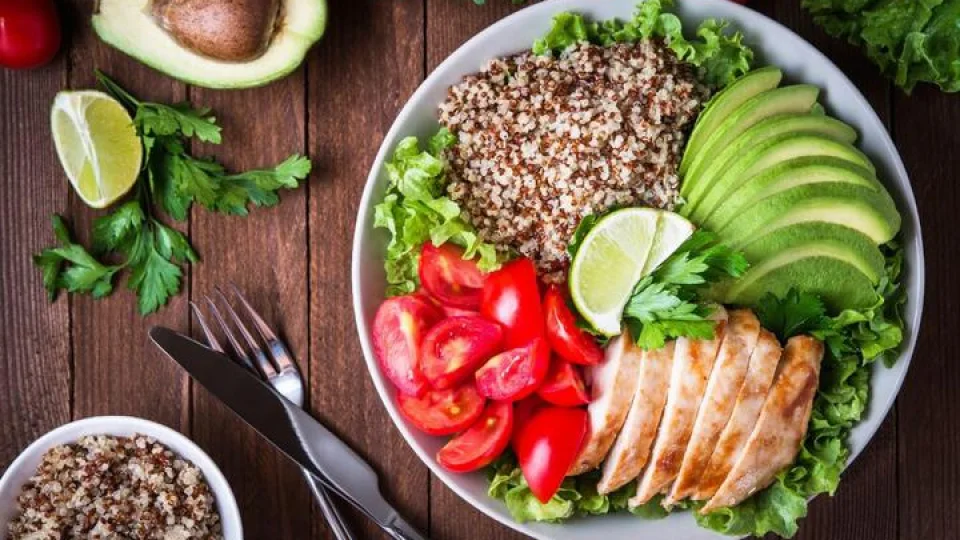
One of the biggest challenges when dieting is often dealing with feelings of hunger. However, by using the right ingredients, it is possible to lose weight while also increasing feelings of fullness. Weight-loss ingredients are foods that are both low in calories and high in nutritional value. These types of foods help you control your calorie intake while providing the vitamins and minerals your body needs. Foods rich in fiber, in particular, support the digestive system and help you feel full for longer periods.
Additionally, you can create a variety of recipes by combining weight-loss ingredients. For example, when preparing a salad, you can add leafy greens and a protein source like chicken or chickpeas to create a meal that is both nutritious and filling. This way, you can enjoy a satisfying experience in terms of both health and taste while dieting. Remember, with the right food choices and portion control, losing weight becomes much easier.
Preparing healthy and filling meals while dieting is crucial for those looking to lose weight. Practical filling diet recipes can help you achieve this goal by being both delicious and nutritious. These recipes keep you energized throughout the day while also controlling your feelings of hunger. Especially fiber-rich vegetables, whole grains, and protein sources are the main components of such recipes.
When preparing practical filling diet recipes, choosing vegetables according to their seasons enhances the nutritional value of the meals. For example, during the winter months, you can make rich and filling soups using vegetables like broccoli, cauliflower, and carrots. Additionally, opting for protein sources such as chicken, turkey, or fish allows you to prepare meals that are both delicious and healthy. These meals keep you energized throughout the day while also supporting your weight loss journey.
In conclusion, with practical filling diet recipes, you can eat healthily and achieve your weight loss goals. These recipes save time while offering delicious and filling meals. Remember, adopting a healthy lifestyle is possible through balanced and varied nutrition.
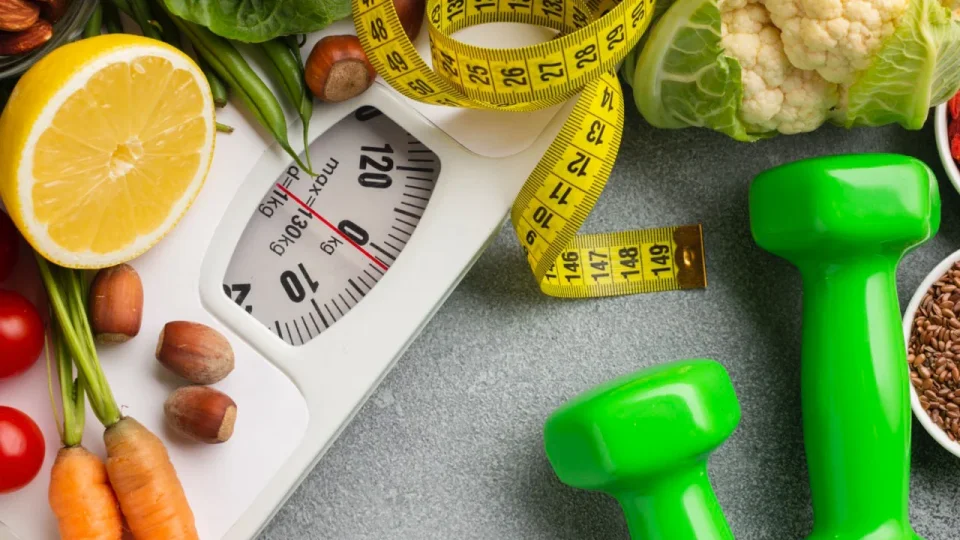
Finding ways to stay full during a diet is crucial for those looking to lose weight. In diets aimed at weight loss, feelings of hunger and constant thoughts about food can negatively affect a person's motivation. Therefore, choosing foods that are both low in calories and filling will enhance the sustainability of the diet. Filling diet meals support the digestive system thanks to their high fiber content while also providing the essential nutrients the body needs.
Another important point is the consumption of healthy fats. Avocado, olive oil, and nuts provide you with a sufficient amount of healthy fats, thereby increasing the feeling of fullness. These fats supply the energy source the body needs while also supporting metabolism. However, it is beneficial to pay attention to portion control, as fats can be high in calories.
In conclusion, finding ways to stay full during a diet is possible through the selection of the right foods and a balanced diet. When preparing filling diet meals, you can create both healthy and delicious dishes by using fiber, protein, and healthy fats in a balanced way. Remember, a healthy diet not only aids in weight loss but also improves overall health.
Low-calorie and high-satiety foods are an excellent choice for those looking to lose weight and eat healthily while on a diet. In particular, these types of foods help increase the feeling of fullness, allowing you to avoid unnecessary snacking. For example, vegetable-based dishes slow down digestion thanks to their fiber content and keep you feeling full for a long time. Dark leafy greens, broccoli, and cauliflower are notable for their low calorie and high vitamin-mineral content.
To provide a high feeling of satiety, foods high in protein should also be included in your diet. For example, protein sources like chicken breast, fish, or eggs supply the nutrients your body needs while also reducing feelings of hunger. Additionally, consuming whole grains (such as brown rice or quinoa) increases the feeling of fullness due to their fiber content. These types of foods help maintain stable blood sugar levels and provide long-lasting energy.
In conclusion, low-calorie and high-satiety foods are an ideal choice for those looking to lose weight and adopt a healthy lifestyle. Meals prepared with these types of foods can be both delicious and nutritious, making your dieting process more sustainable.
